
As technology advances, the education sector continuously seeks innovative ways to enhance learning experiences. One such groundbreaking tool is Virtual Reality (VR), which has emerged as a powerful ally for visual learners. This unique group, which relies heavily on visual cues to process information, can significantly benefit from the immersive and interactive nature of VR-based education. In this blog post, we delve into how VR acts as a ‘superpower’ for visual learners, transforming educational methodologies and outcomes.
Understanding Visual Learners
Visual learners make up a significant portion of the population, yet traditional education systems often overlook their needs. These learners thrive on visual stimuli such as diagrams, charts, and videos, finding it easier to remember and understand information presented in a visual format. However, conventional classrooms predominantly utilize auditory and textual teaching methods, which can pose challenges for visual learners.
Characteristics of Visual Learners
Visual learners are typically adept at noticing details and often think in images. They prefer reading over listening to lectures and may find it challenging to follow verbal instructions without accompanying visual aids. Their strengths lie in spatial awareness, color recognition, and visual memory, making VR an ideal platform for catering to their educational preferences.
The Challenge in Traditional Settings
Traditional educational settings often lack the resources to fully engage visual learners. With limited access to visual tools, these students might struggle with subjects that rely heavily on abstract concepts or auditory explanations. This disconnect can lead to disengagement and a lack of motivation, impacting overall academic performance.
How VR Meets Visual Learners’ Needs
Virtual Reality fills the gap left by traditional educational models by offering a multisensory learning environment. For visual learners, the benefits are profound and multifaceted.
Immersive Learning Environments
VR creates immersive worlds where visual learners can interact with 3D models and environments. This hands-on experience allows them to visualize complex concepts, such as the structure of a cell in biology or the flow of a mathematical equation, in a way that is both engaging and easily comprehensible.
Improved Retention and Comprehension
Studies have shown that VR can significantly improve information retention and comprehension among visual learners. By simulating real-world scenarios, VR helps learners make connections between theoretical knowledge and practical application, leading to deeper understanding and better recall.
Personalized Learning Pathways
VR technology can adapt to individual learning paces and styles, offering personalized experiences that traditional methods cannot. This adaptability ensures that visual learners can explore subjects at their own speed, revisiting and interacting with content as needed to reinforce learning.

Practical Applications of VR for Visual Learners
The practical applications of VR in education are vast and varied, particularly for visual learners who benefit from its dynamic capabilities.
STEM Education
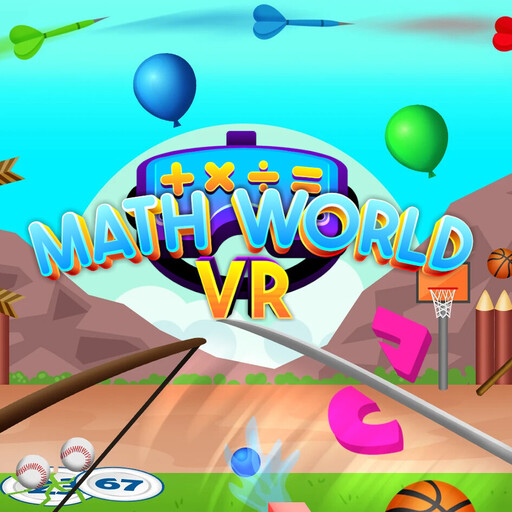
In STEM fields, VR can bring abstract concepts to life. For instance, in Math World VR, learners can manipulate geometric shapes in a virtual space, enhancing their spatial reasoning and understanding of complex math problems. Similarly, Science World VR allows students to explore ecosystems or chemical reactions in an interactive manner, fostering a deeper understanding of scientific principles.
Language and Literacy
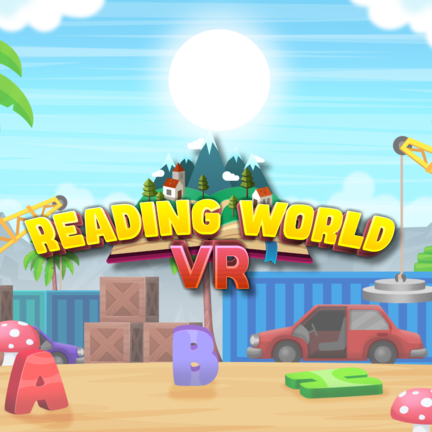
Visual learners often excel in language acquisition when exposed to immersive environments. Reading World VR offers a rich tapestry of visual narratives and interactive storylines that help learners associate words with images, improving vocabulary and reading comprehension.
Critical Thinking and Problem Solving
Games like Trivia Monsters challenge learners to apply critical thinking and problem-solving skills in visually stimulating settings. By engaging with these VR environments, visual learners can enhance their analytical abilities while having fun.
Implementing VR in Educational Settings
Adopting VR in classrooms requires careful planning and execution to maximize its benefits for visual learners. Here’s how educators and institutions can effectively integrate VR into their teaching strategies.
Choosing the Right VR Tools
Educators should select VR tools that align with curricular goals and cater to the specific needs of visual learners. Platforms that offer customizable content and a variety of interactive experiences are ideal for fostering engagement and learning.
Training Educators
Successful implementation of VR in education necessitates adequate training for educators. Teachers must be comfortable with the technology and understand how to integrate it into their lesson plans effectively. Providing professional development opportunities can ensure educators are well-equipped to leverage VR’s potential.
Creating a Supportive Learning Environment
Schools and institutions should develop infrastructure that supports VR learning, from ensuring sufficient hardware availability to creating dedicated VR spaces. This investment in resources can significantly enhance the learning experience for visual students.
Overcoming Challenges in VR Adoption
While VR holds immense promise for visual learners, certain challenges must be addressed to unlock its full potential.
Cost and Accessibility
The initial investment in VR technology can be a barrier for some educational institutions. However, as the technology becomes more mainstream, costs are expected to decrease, making VR more accessible. Schools should explore funding opportunities and partnerships to offset expenses.
Technical Limitations and Solutions
Technical issues such as software compatibility and hardware maintenance can hinder VR adoption. Collaborating with tech companies and investing in reliable equipment can mitigate these challenges, ensuring a seamless learning experience.
Ensuring Equitable Access
To provide equitable access to VR learning, schools must consider the diverse needs of all students. This includes accommodating different learning styles and ensuring that all students, regardless of background, have access to VR tools and resources.
Conclusion: The Future of VR in Education
As we move forward, the role of VR in education is poised to expand, offering unprecedented opportunities for visual learners. By creating immersive, interactive, and personalized learning environments, VR empowers these students to reach their full potential. As educators and institutions embrace this technology, the future of education looks brighter for visual learners, paving the way for a more inclusive and effective learning landscape.